
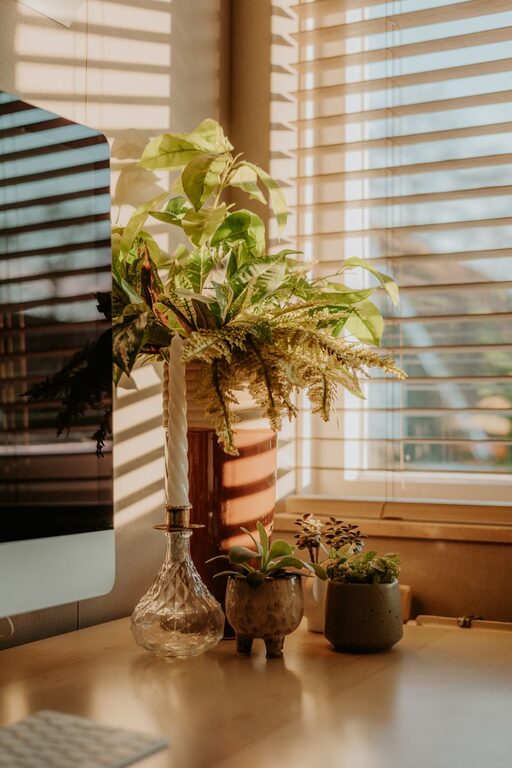
Creating a relaxing home workspace environment is essential for anyone working remotely or spending extended periods at home. A comfortable, peaceful space not only helps you focus but also reduces stress and improves your overall well-being. Whether you have a dedicated room or a small corner in your living area, you can transform your workspace into a calm, inviting place that inspires productivity.
In this post, we will explore practical tips to help you create a relaxing home workspace environment that supports your work habits and personal comfort.
Choose the Right Location
Finding the right spot for your workspace is the first step in creating a relaxing environment. Ideally, select an area away from heavy foot traffic and household distractions.
– Natural light: Choose a place close to a window if possible. Natural light enhances mood and helps reduce eye strain.
– Quiet space: If you can’t avoid noise, consider using noise-cancelling headphones or white noise machines.
– Separate area: Aim for a distinct work zone rather than working on a sofa or bed, which can blur the line between work and rest.
Invest in Comfortable Furniture
Comfort is key to maintaining focus and preventing fatigue throughout the day.
– Ergonomic chair: A chair with good lumbar support and adjustable height keeps your posture healthy.
– Desk at the right height: Your desk should allow your arms to rest comfortably with your wrists straight while typing.
– Consider standing desks: Alternating between sitting and standing can reduce strain and boost energy.
Declutter and Organize
A cluttered workspace can cause stress and distraction. Keeping your area tidy promotes a calm mind.
– Minimalist setup: Only keep essential items on your desk, such as your computer, a notepad, and a few pens.
– Storage solutions: Use shelves, drawers, or boxes to store papers, cables, and other supplies neatly.
– Daily cleanup: Spend a few minutes at the end of each workday organizing your space.
Incorporate Plants and Natural Elements
Adding greenery to your workspace has been shown to reduce stress and increase concentration.
– Low-maintenance plants: Succulents, snake plants, and pothos are easy to care for and brighten the space.
– Natural materials: Use wood, stone, or fabric accents to create a warm, inviting vibe.
Use Soft, Neutral Colors
Color affects mood and productivity. Choose tones that promote calmness and focus.
– Neutral palettes: Whites, grays, beiges, and soft pastels are soothing and less distracting.
– Accent colors: Incorporate small pops of color like soft blues or greens for a refreshing feel.
– Avoid bright, harsh colors: While vibrant hues can be stimulating, they may increase anxiety or restlessness.
Manage Lighting Wisely
Good lighting helps prevent eye strain and creates a comfortable atmosphere.
– Layered lighting: Use a combination of natural light, overhead lights, and task lighting.
– Adjustable desk lamp: A lamp with adjustable brightness and color temperature lets you customize light according to the time of day.
– Reduce glare: Position your screen to avoid reflections and consider an anti-glare screen protector.
Personalize Thoughtfully
Personal touches make your workspace more enjoyable without causing distractions.
– Inspirational items: Place a motivational quote or a small piece of art that encourages positivity.
– Photos: Family or travel photos can boost happiness but keep them limited to avoid clutter.
– Aromatherapy: Use essential oil diffusers or candles with calming scents like lavender or eucalyptus.
Establish Routine and Boundaries
Creating a relaxing workspace also means setting boundaries to protect your work-life balance.
– Designated work hours: Stick to consistent start and end times to build routine.
– Breaks and movement: Take regular breaks to stretch, walk, and refresh your mind.
– Turn off notifications: Minimize distractions by silencing non-work-related alerts.
Incorporate Technology Wisely
Technology should support your work without adding unnecessary stress.
– Wireless accessories: Use wireless keyboards and mice to reduce cable clutter.
– Cable management: Use clips or sleeves to keep cables organized and out of sight.
– Quality equipment: Invest in a reliable computer, a good monitor, and headphones to improve efficiency.
Final Thoughts
Creating a relaxing home workspace environment is about balancing comfort, organization, and personalization. By paying attention to location, furniture, lighting, and decor, you can design a space that not only looks inviting but also supports your mental and physical well-being during work hours.
Remember, your workspace should adapt to your needs. Don’t hesitate to try new arrangements or update your setup periodically to keep your environment fresh and motivating. With these tips, you’ll enjoy a calm, productive place to work right at home.