
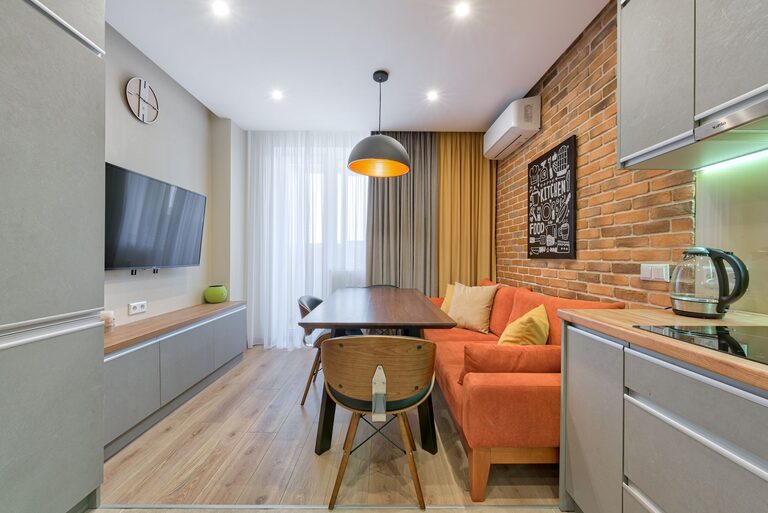
Living in a small space can be both charming and challenging. While compact homes often offer coziness, they also require thoughtful organization to maximize comfort and efficiency. The good news is that with smart planning and creative solutions, you can transform a small living area into a stylish, functional haven. In this post, we’ll explore practical tips to help you get the most out of your limited square footage.
1. Declutter Regularly
Before diving into storage solutions, it’s important to declutter. Small spaces can quickly feel crowded when filled with unnecessary items.
– Sort your belongings: Divide items into categories — keep, donate, recycle, or discard.
– Be honest: Keep only the items you use regularly or truly love.
– Adopt a minimalist mindset: Less stuff means less mess and more room to move.
Regular decluttering keeps your space feeling open and easier to manage.
2. Use Multi-Functional Furniture
Furniture that serves multiple purposes is ideal in small spaces.
– Sofa beds or daybeds provide seating by day and guest beds at night.
– Storage ottomans can act as seats, footrests, and hidden storage.
– Foldable or expandable tables save room when not in use.
– Beds with drawers underneath utilize vertical space efficiently.
Choosing pieces like these ensures you don’t sacrifice comfort for space.
3. Maximize Vertical Storage
When floor space is limited, think upward.
– Install wall shelves: Open shelves showcase books, decor, and essentials without taking up floor space.
– Use tall bookcases or cabinets: These provide ample storage while occupying a small footprint.
– Hang hooks or pegboards: Perfect for keys, bags, kitchen tools, or accessories.
Vertical storage helps you keep things organized and accessible.
4. Optimize Closet Organization
Closets can become catch-alls that crowd your living areas. Optimize them for better storage.
– Add double hanging rods: Double the hanging space for clothes.
– Use slim, matching hangers: Save space and create a tidy appearance.
– Incorporate storage bins or baskets: Store seasonal clothing or smaller items.
– Consider door-mounted organizers: Store shoes, scarves, or jewelry on the back of doors.
A well-organized closet frees up more room elsewhere.
5. Create Zones Within the Space
Even small spaces benefit from clearly defined areas for different activities.
– Use furniture placement: Position a sofa to separate living from dining areas.
– Use rugs: Rugs can visually divide the space without walls.
– Add room dividers: Lightweight screens or curtains provide flexibility without permanent construction.
– Designate spots: Have a specific workspace, relaxation spot, or dining nook.
Zoning helps maintain order and makes your space feel larger.
6. Use Light Colors and Reflective Surfaces
Colors and materials influence how spacious your room feels.
– Choose light, neutral tones: Whites, creams, pastels open up the room visually.
– Incorporate mirrors: Reflect natural light to brighten and enlarge the space.
– Select furniture with sleek lines: Avoid bulky, dark furniture that can overwhelm.
– Use glass or acrylic pieces: Tables or shelves that are see-through take up less visual space.
These choices create an airy, inviting environment.
7. Keep Cables and Electronics Tidy
Clutter from electronics can quickly make a small space feel chaotic.
– Use cable organizers and clips: Keep cords neat and out of sight.
– Mount TVs on the wall: Free up surface space by eliminating TV stands.
– Choose wireless devices: Reduces cords and keeps the area cleaner.
A tidy tech setup improves both appearance and function.
8. Employ Smart Storage Containers
Containers help keep small items and clutter under control.
– Clear bins allow easy identification of contents.
– Label containers for faster access.
– Use stackable boxes to maximize vertical space inside cupboards.
– Bring in decorative baskets or bins: Combine storage with style.
Investing in storage containers makes tidying up easier.
9. Keep Frequently Used Items Accessible
In small spaces, convenience matters.
– Store everyday items in easy-to-reach spots.
– Place seasonal or rarely used things in less accessible areas.
– Rotate items based on current needs: For example, shift winter clothing to storage in warm months.
This approach reduces clutter buildup and helps maintain order.
10. Maintain Your System
Organization is ongoing—not a one-time fix.
– Spend a few minutes daily tidying up.
– Reassess storage needs every few months.
– Be mindful when bringing new items home.
Consistency preserves the comfort and efficiency of your small living space.
—
Living in a small living space doesn’t have to limit your comfort or style. Use these tips to create a space that truly works for your lifestyle, balancing organization, functionality, and warmth. With creativity and care, small spaces can feel spacious, inviting, and perfectly tailored to your needs.